


Dark Circles Under the Eyes: Are They Really Permanent?

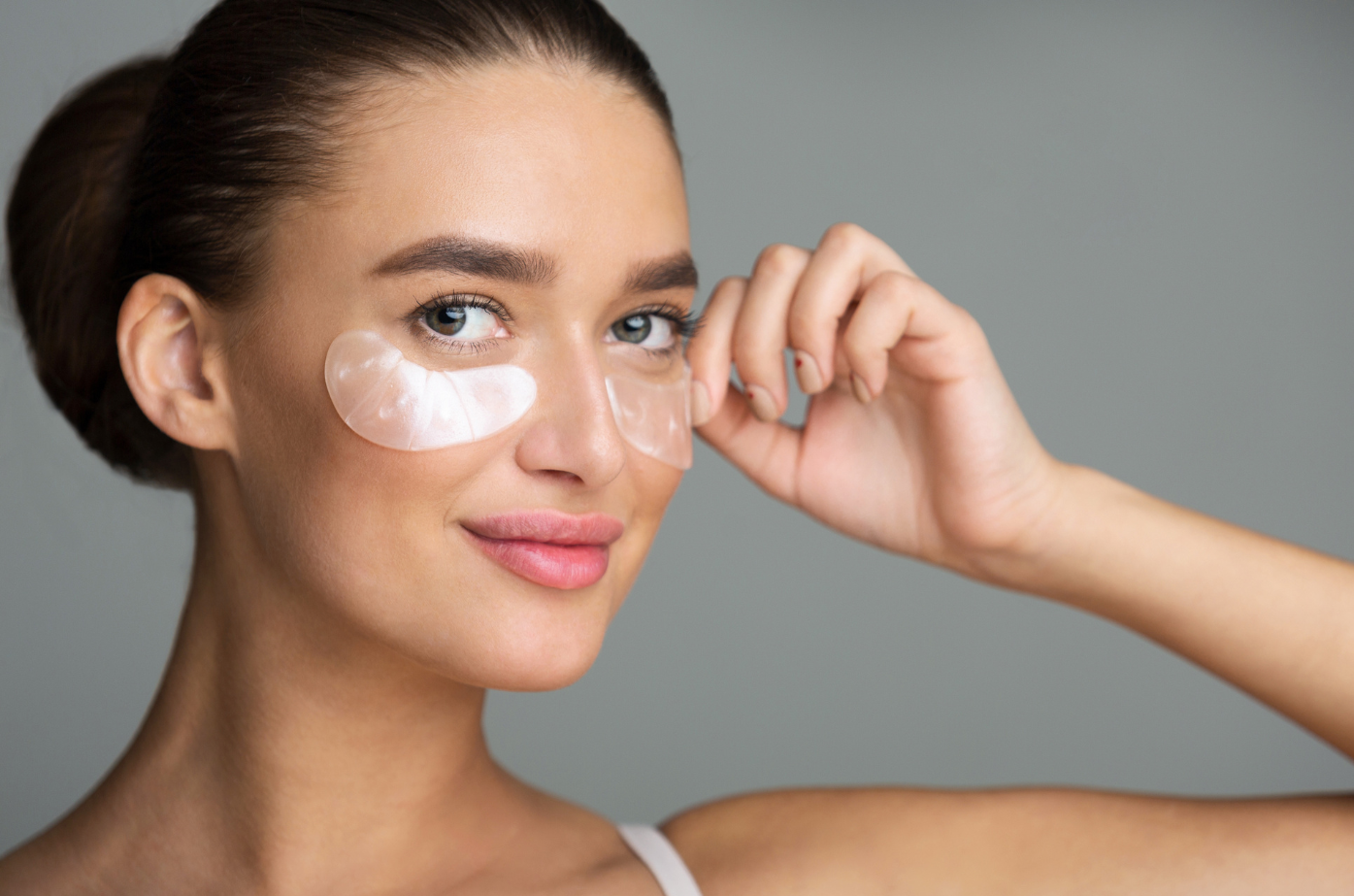
Dark under-eye circles are among the most common concerns I see in clinical practice. Many patients arrive convinced they’re “stuck with them forever.” The good news? In most cases, that simply isn’t true.
In this guide, I’ll help you understand why dark circles occur, how to identify the specific type you have, and — most importantly — what you can realistically do to minimise them. Whether you’re in your 20s or navigating the hormonal shifts of post-menopause, there are effective, evidence-based strategies that can make a visible difference.
What Actually Causes Dark Circles?
When dark circles originate from the skin itself (rather than deeper anatomical hollows or fat loss), they usually fall into two main categories:
- Blood vessel–related dark circles
- Melanin-related dark circles
Both tend to become more noticeable with age due to progressive thinning of the skin. The skin around the eyes is the thinnest on the entire body — measuring as little as 1 millimetre in certain areas. When skin becomes thinner, whatever lies beneath it becomes more visible.
A simple analogy I often use: wearing a black bra under a white shirt. The thinner the fabric, the more visible what’s underneath. The same principle applies to under-eye skin.
Melanin-Related Dark Circles: How to Recognize Them
Melanin-related dark circles are particularly common in individuals with darker skin tones and are often genetic. They may involve both the upper and lower eyelids, and it’s important to emphasise that this pigmentation is completely normal and part of your natural skin biology.
That said, pigmentation around the eyes can also be exacerbated by external triggers, including:
- Chronic eczema or dermatitis
- Persistent eye rubbing
- Allergic inflammation
How to Treat Melanin-Induced Dark Circles
The first rule is simple: address the trigger before chasing pigment. If inflammation or irritation is ongoing, pigment-targeting treatments will be far less effective.
Once the skin is calm, incorporate gentle yet proven ingredients suitable for the delicate eye area:
- Niacinamide
Helps reduce melanin transfer while strengthening the skin barrier. - Milk thistle extract
Reduces tyrosinase activity (a key enzyme in pigment formation) and offers anti-inflammatory benefits. - Retinoids
Improve cell turnover and overall skin quality. Always start with very low strengths and increase slowly. - Bakuchiol
A plant-based alternative to retinoids that is better tolerated and suitable for daytime use.
Sunscreen Is Non-Negotiable
UV exposure significantly worsens pigmentation. Daily sunscreen use around the eyes is essential. If chemical sunscreens cause stinging, opt for a mineral-based formulation, which is generally better tolerated in this area.
Blood Vessel–Related Dark Circles: Why They Happen
These dark circles often appear blue or purplish and become more prominent with age. From our mid-20s onward, we lose approximately 1% of collagen per year. During menopause, this loss accelerates dramatically — up to 30% of skin thickness can be lost within five years.
As collagen diminishes, the skin becomes thinner, allowing underlying blood vessels to show through more clearly.
How to Reduce Vascular Dark Circles
The strategy here is twofold: thicken the skin and support vascular integrity.
To improve skin thickness:
- Retinoids — Stimulate collagen production
- Niacinamide — Supports collagen and barrier repair
- Bakuchiol — A gentler option for sensitive skin
To strengthen blood vessels:
- Alpha-glucosyl hesperidin — Improves circulation and reduces capillary fragility
- Vitamin K — Helps reinforce capillary walls and reduce vascular visibility
Short-term fixes for tired eyes:
- Caffeine-based eye creams — Constrict blood vessels temporarily
- Cold tea compresses — An effective, low-cost way to reduce puffiness and improve circulation
Building an Effective Under-Eye Skincare Routine
The most successful routines combine targeted treatment with prevention and consistency.
Step 1: Cleanse gently
Use a hydrating, non-irritating cleanser. Avoid active ingredients in cleansers around the eyes.
Step 2: Apply targeted treatments
- For pigmentation: niacinamide, retinoids, or bakuchiol
- For vascular darkness: vitamin K or alpha-glucosyl hesperidin
Step 3: Moisturise adequately
Well-hydrated skin is less reactive and better able to tolerate active ingredients.
Step 4: Protect daily with sunscreen
Choose a mineral sunscreen, apply the correct amount, and distribute evenly under the eyes.
Can Dark Circles Be Eliminated Completely?
Skincare can significantly improve the appearance of dark circles, but genetics and anatomy still matter. Some degree of darkness may persist despite optimal care.
In those cases:
- A high-quality concealer can make an immediate difference
- Set realistic expectations — aim for improvement, not perfection
Your Dark Circles Cheat Sheet
If pigmentation is the issue:
- Niacinamide
- Milk thistle extract
- Retinoids or bakuchiol
If blood vessels are the issue:
- Retinoids
- Niacinamide
- Vitamin K
- Alpha-glucosyl hesperidin
Always:
✔ Wear sunscreen
✔ Be consistent
✔ Tailor treatment to the cause
Final Thoughts
Dark circles are multifactorial and rarely have a one-size-fits-all solution. With the right diagnosis, targeted ingredients, and consistent care, brighter and healthier-looking under-eyes are absolutely achievable.
And on the days you need a little extra help? A good concealer is a perfectly valid part of any routine.
Have you tried any of these strategies already? I’d love to know what’s worked for you.
Read More Blogs!
Stay updated with the latest blog posts and engage with our community.
Ready to reveal your most beautiful self? At AAYU in Coral Springs, FL, we're dedicated to enhancing your natural radiance through personalized, advanced aesthetic treatments. Take the first step towards renewed confidence and glowing results. Visit us or book your consultation now!

During your personalized consultation, we'll take the time to understand your unique concerns and goals. Our experienced professionals are committed to crafting a tailored treatment plan just for you. Let us help you confidently step towards a more radiant and refreshed self.